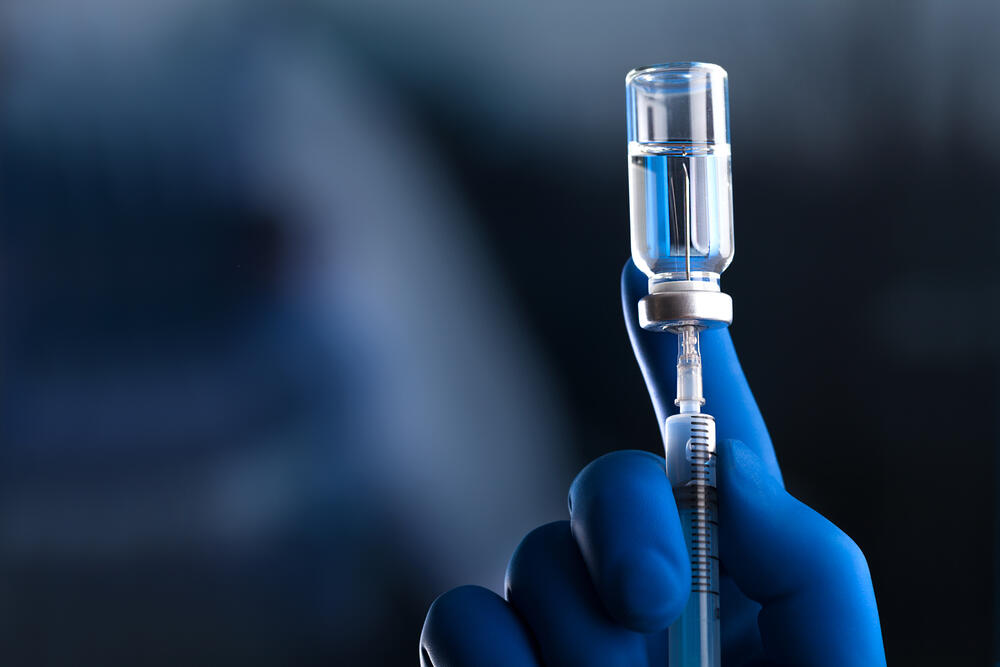
gloved hand drawing vaccine out of vial using a needle
An official website of the State of Georgia.
The .gov means it’s official.
Local, state, and federal government websites often end in .gov. State of Georgia government websites and email systems use “georgia.gov” or “ga.gov” at the end of the address. Before sharing sensitive or personal information, make sure you’re on an official state website.
Still not sure?
Call 1-800-GEORGIA to verify that a website is an official website of the State of Georgia.
August 11, 2026
Vaccines help protect you and your child from infectious diseases and reduce the spread of outbreaks. While they may not prevent every infection, vaccinated people usually have much milder illness. Most vaccines are given as shots, though some come as pills, liquids, or nasal sprays.
Vaccines save lives and help protect people with weak immune systems who can’t be vaccinated. Other benefits include:
Most reactions are mild, such as:
Serious reactions are rare. Seek medical help if you notice unusual symptoms.
Vaccines are thoroughly tested and monitored by the FDA and safety reporting systems like VAERS. Serious complications from diseases are much more common than vaccine-related issues. Research shows no link between vaccines and autism. Talk to your doctor if you have concerns.